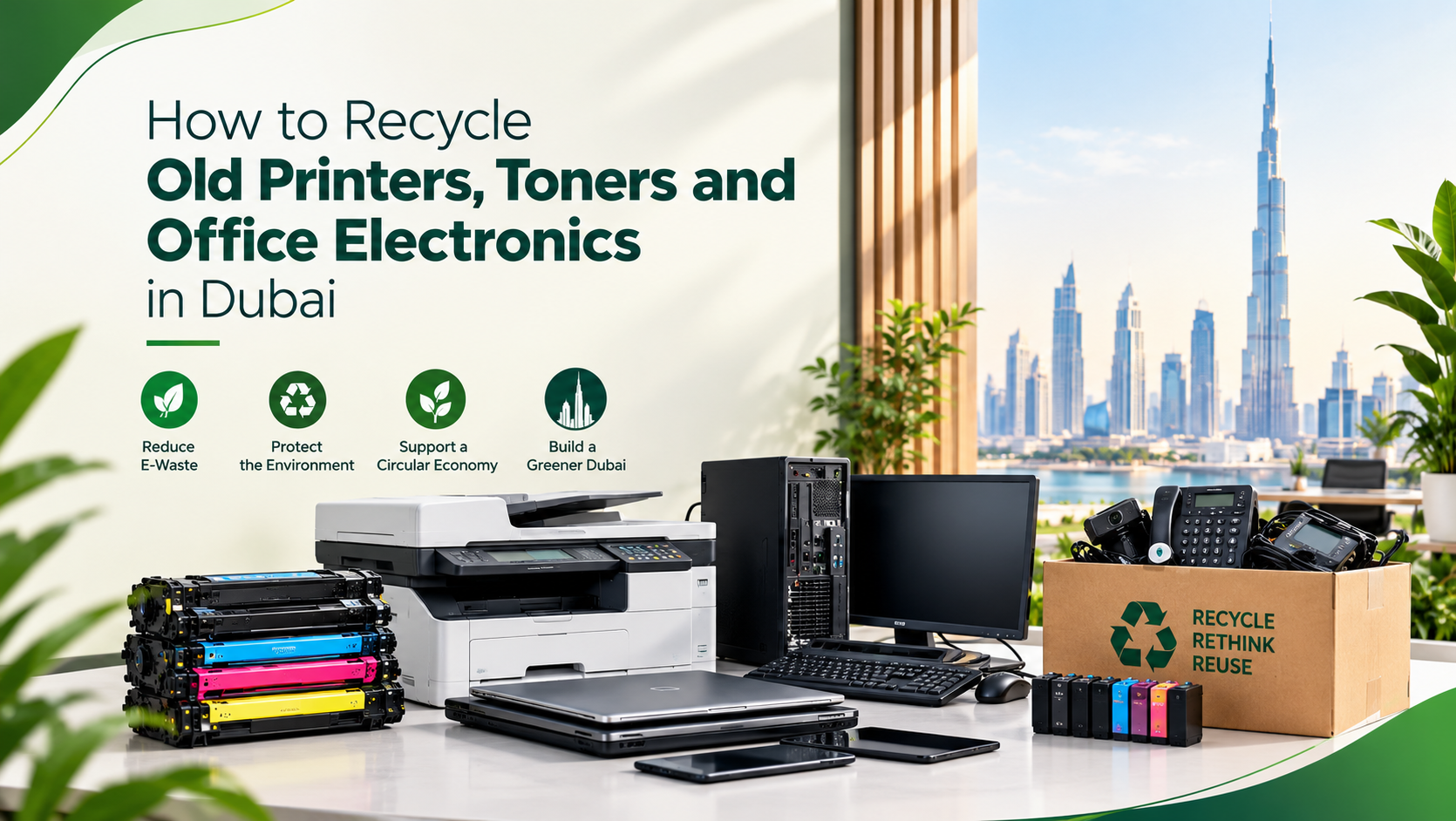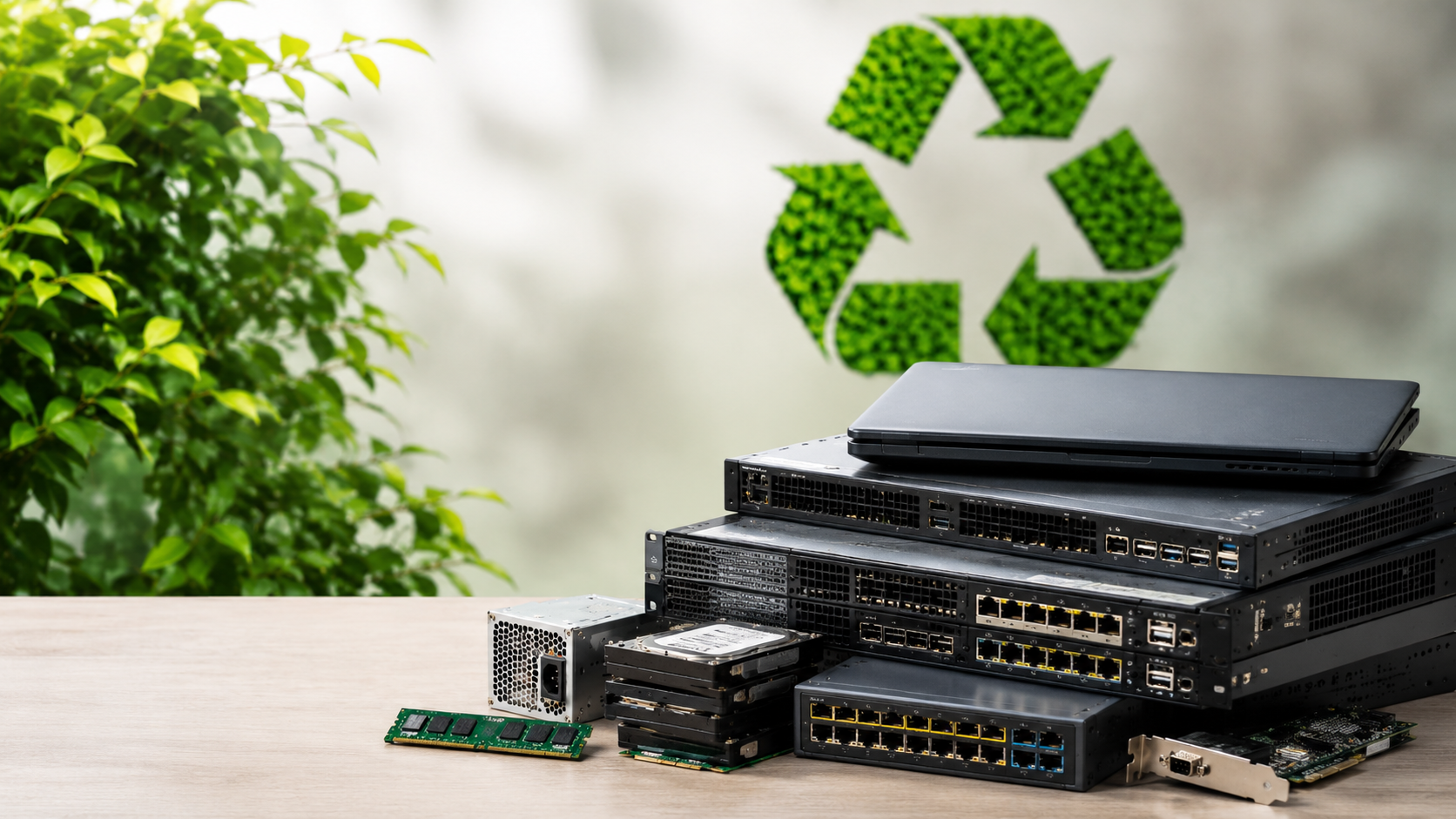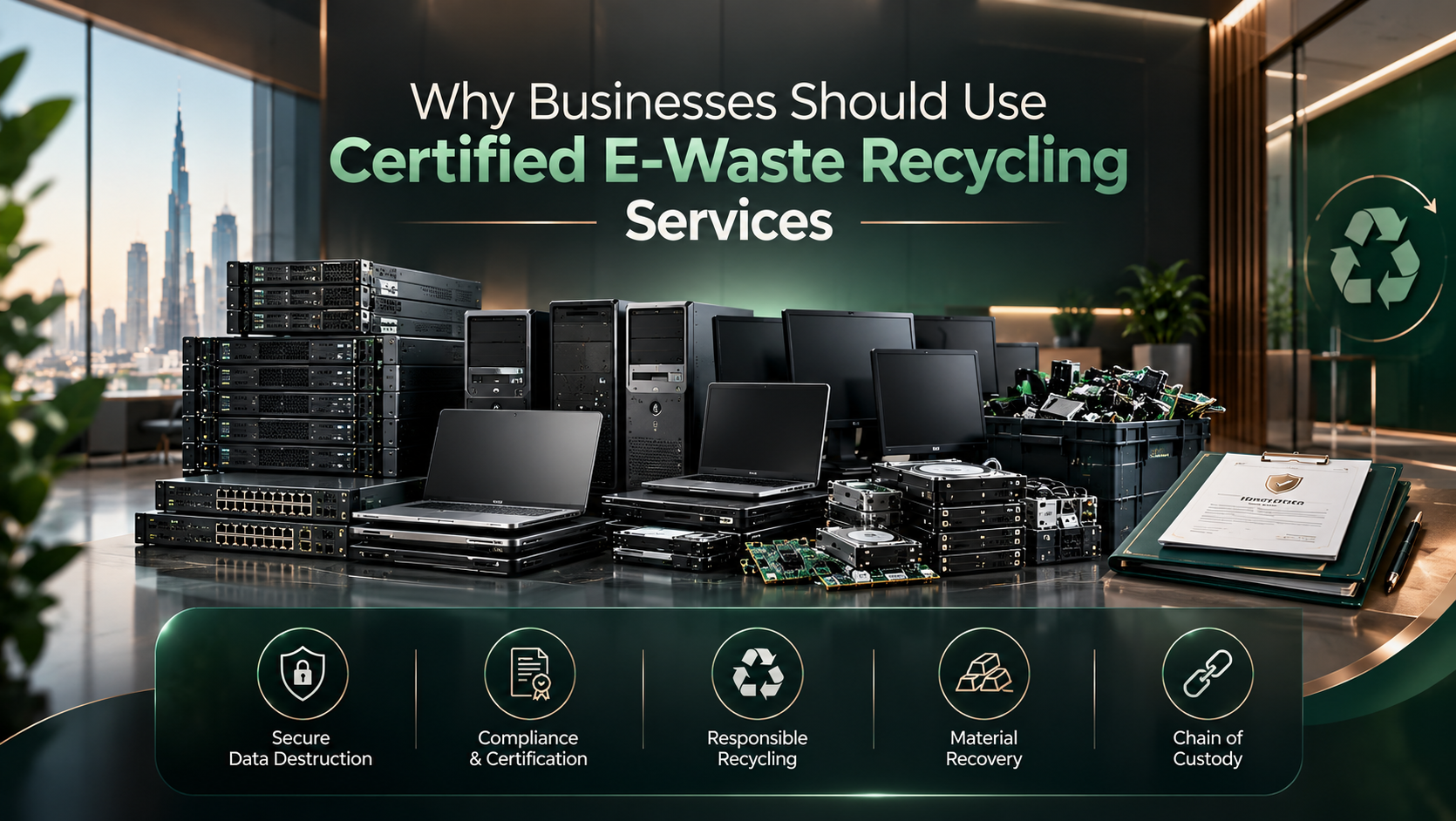
Businesses replace computers, laptops, servers, printers, storage devices, networking equipment, and other electronics regularly. As technology changes, old equipment can quickly build up in offices, warehouses, and data centres.
Simply throwing these devices away is not a responsible option. Electronic equipment may contain valuable materials, sensitive business information, and components that require proper handling. For businesses managing large quantities, choosing a qualified recycling provider can make the entire process safer and more organised.
certified e-waste recycling services help businesses manage unwanted electronics through structured collection, data handling, sorting, reuse, and recycling processes. For companies with bulk quantities, the right provider can also simplify logistics and reduce the time employees spend managing obsolete equipment.
What Makes E-Waste Recycling Important for Businesses?
Electronic waste is different from ordinary office waste. Computers and other IT equipment can contain storage devices with confidential information, while some components require specialised handling. A professional recycling process allows businesses to separate equipment according to its condition and potential value. Working devices may have opportunities for reuse or refurbishment, while damaged equipment can be directed toward appropriate material recovery processes.
This becomes particularly important when a company is clearing an entire office, upgrading its IT infrastructure, or disposing of equipment from several locations. Using a certified e-waste recycler gives businesses a structured way to manage these assets rather than leaving employees to handle disposal themselves.
1. Protects Sensitive Business Data
Old computers, laptops, hard drives, and servers can retain confidential information even after files have been deleted. A professional provider should have appropriate procedures for identifying and handling storage devices before equipment moves further through the disposal process. This is especially important for companies dealing with customer information, employee records, financial documents, business plans, passwords, and other confidential material.
2. Supports Responsible Equipment Handling
Electronic devices contain plastics, metals, circuit boards, and other materials. Proper processing helps separate useful materials and prevents unsuitable equipment from being handled like ordinary household waste. For businesses with large inventories, organised handling also makes it easier to track what happens to different categories of equipment.
Why Bulk E-Waste Needs Professional Management
Bulk disposal creates challenges that do not usually occur when handling a single laptop or desktop. A company may have hundreds of devices accumulated through years of upgrades. These can include working computers, broken machines, printers, networking hardware, storage devices, and miscellaneous accessories. Trying to manage everything internally can consume considerable staff time.
Business e-waste recycling provides a more organised approach by bringing collection, assessment, sorting, and processing together. A professional provider can also arrange bulk pickup, which is useful when equipment is stored at an office, warehouse, or data centre.
Benefits of Bulk Handling
- Easier inventory clearance
- Fewer individual disposal arrangements
- Convenient collection for large quantities
- Better organisation of equipment
- Reduced storage requirements
- Professional equipment assessment
Certified recycling is about more than getting old electronics out of the workplace. For businesses, it means managing equipment responsibly while considering data security, value recovery, logistics, and appropriate processing.
A professional approach can be especially valuable when hundreds of desktops, laptops, servers, or other devices need to be cleared at once.
For businesses looking for a reliable partner, E-Waste IT Recycling provides bulk equipment collection and processing support designed around practical business requirements. Whether you are clearing outdated office systems or managing surplus IT inventory, the right process can make equipment disposal easier, safer, and more organised. A Bulk normal desktop buyer can also help businesses turn large quantities of retired desktop systems into potential value.
Simplify Your Bulk E-Waste Clearance With E-Waste IT Recycling
E-Waste IT Recycling helps businesses manage unwanted IT equipment through a straightforward bulk collection and evaluation process. From office desktops and laptops to servers, networking equipment, storage devices, and other electronics, our team supports businesses dealing with large inventories. We arrange convenient collection, assess equipment, and help separate reusable items from equipment requiring responsible recycling.
Our focus is on making bulk clearance simple, organised, and convenient for businesses. Whether you are completing an office upgrade, clearing warehouse stock, or managing surplus technology, E-Waste IT Recycling can help you move forward without the hassle of handling every device individually. Contact the team to discuss your bulk e-waste requirements.
Frequently Asked Questions
Certified services provide a structured way to handle unwanted electronics, including collection, data-bearing equipment, sorting, and responsible processing, while helping businesses reduce disposal-related risks.
Yes. Professional providers can handle bulk quantities of desktops, laptops, servers, printers, networking devices, storage equipment, and other electronics through organised collection and processing.
Businesses should identify data-bearing devices before disposal. Appropriate data destruction methods can then be used to reduce the risk of sensitive information being recovered.
Yes. Working equipment, reusable components, and certain materials may retain value. Professional assessment can help determine whether equipment should be reused, refurbished, sold, or recycled.
Businesses can contact a professional recycling provider, share equipment details and approximate quantities, and arrange a suitable collection schedule based on their location and requirements.