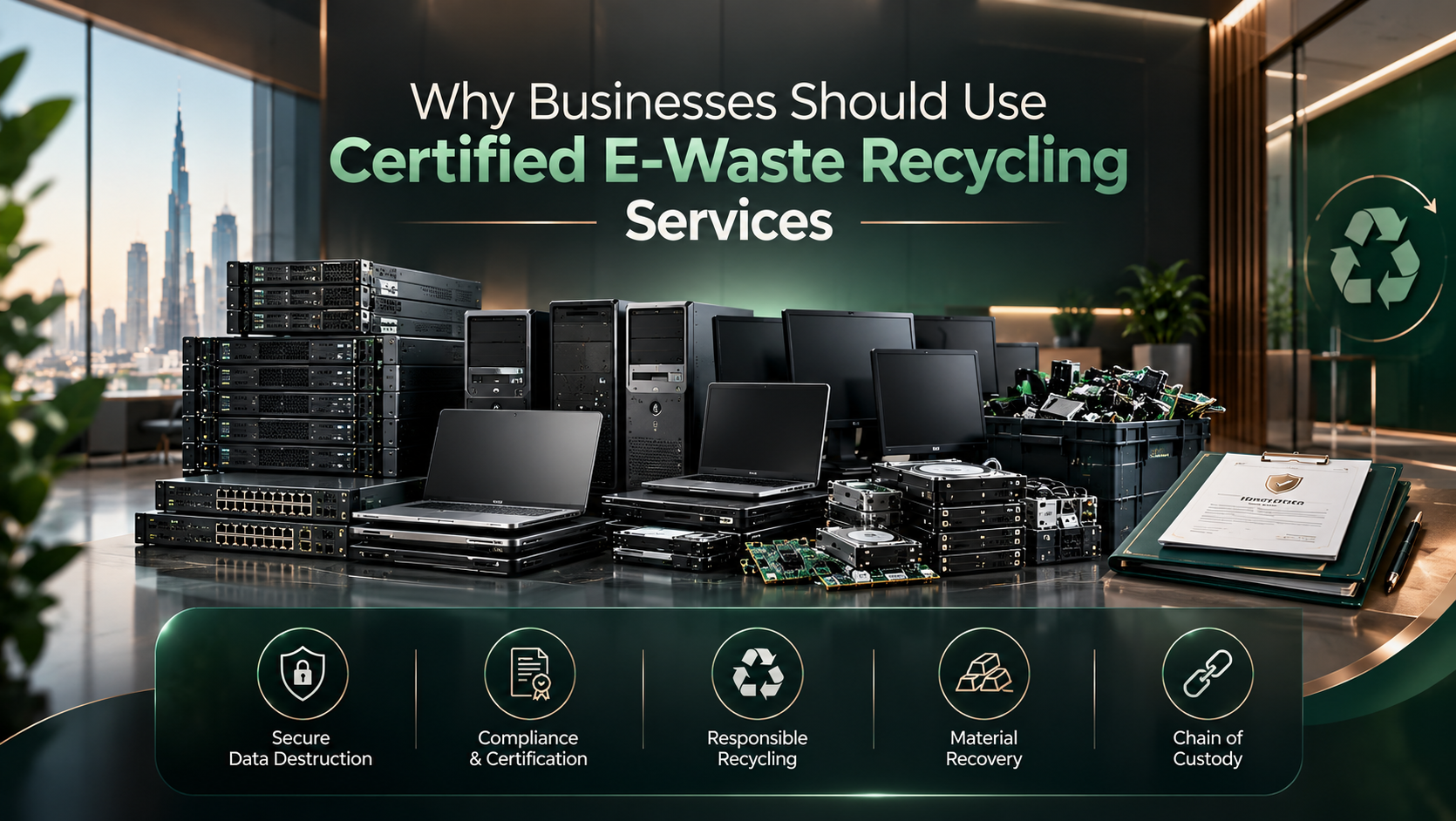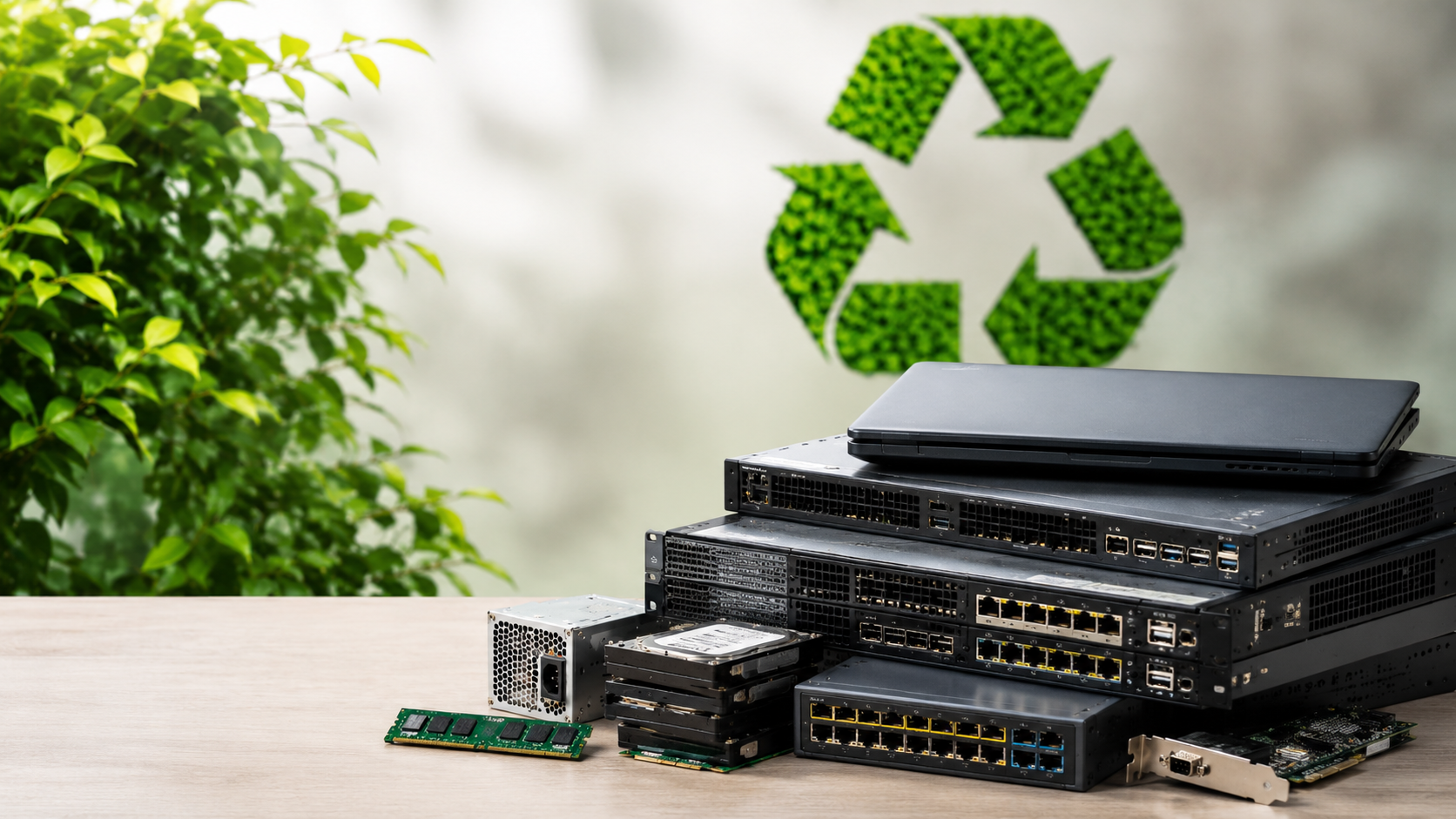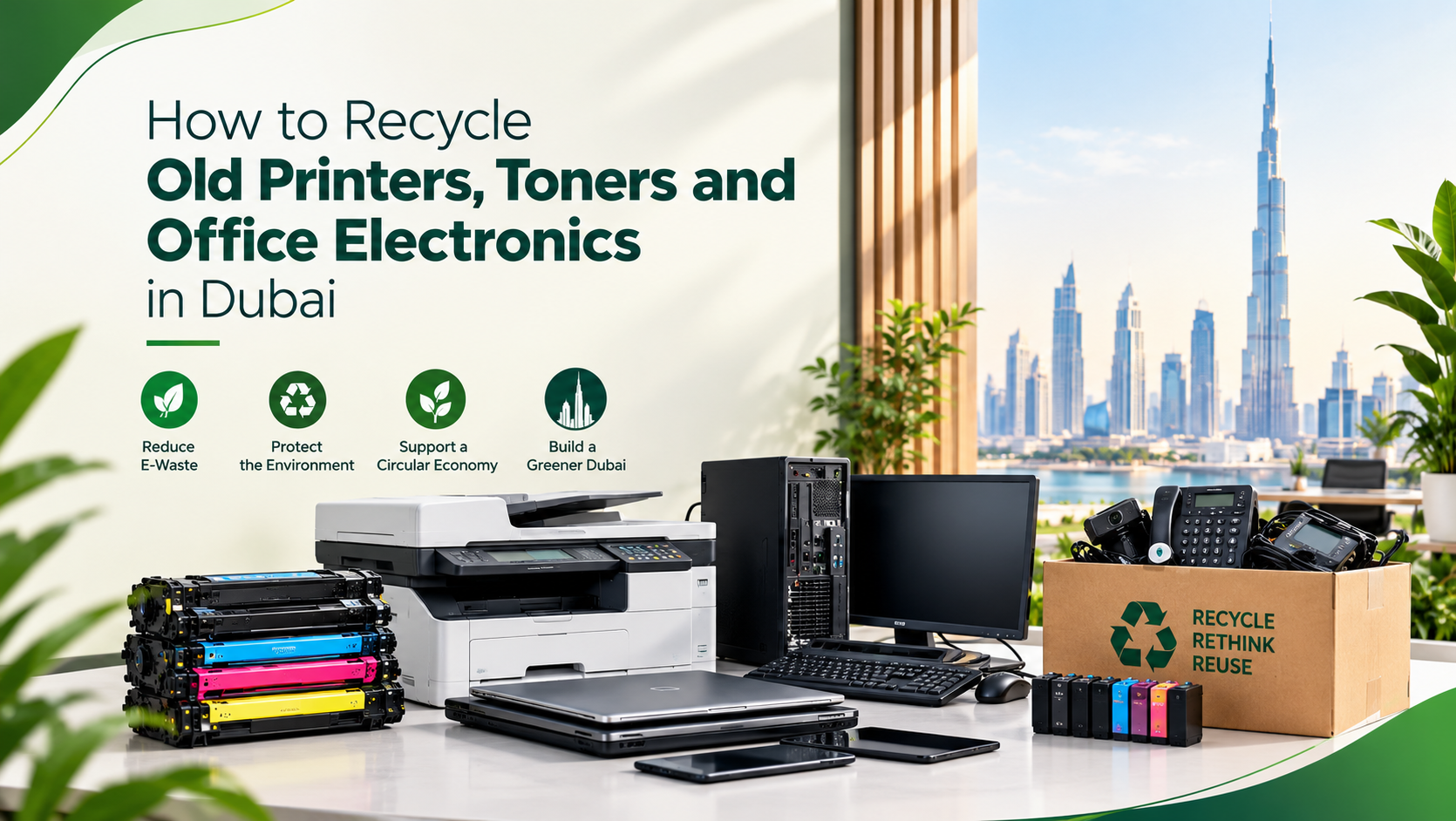
Offices regularly replace printers, toners, computers, monitors, scanners, routers, and other electronic equipment. As businesses grow or upgrade their technology, old devices can quickly build up in storage rooms and workspaces. Instead of leaving unwanted equipment unused, businesses can arrange professional collection and processing.
Handling office electronics in bulk requires more planning than disposing of a single device. Equipment may contain reusable components, electronic parts, cables, storage media, and materials that need proper handling. A professional e-waste service can help businesses manage large quantities efficiently while keeping the process organised.
Why Businesses Should Properly Handle Old Office Electronics
Old office electronics should not simply be placed with regular waste. Printers, toner cartridges, computers, scanners, and other equipment contain different components that require appropriate handling. Businesses dealing with large quantities can benefit from working with a professional service. This makes it easier to sort equipment, arrange collection, evaluate usable items, and direct unsuitable electronics toward appropriate processing.
Bulk handling is especially useful for companies relocating offices, upgrading equipment, closing branches, or clearing warehouses. Rather than dealing with individual items, businesses can prepare the entire lot for one organised collection. Professional handling also reduces the amount of time employees spend sorting and moving unwanted equipment. It creates a clearer process from initial assessment to final processing.
What Office Electronics Can Be Collected?
A typical office clearance may include much more than printers. Businesses can have several types of electronic equipment that need to be handled together.
Common items include:
- Laser and inkjet printers
- Toner cartridges
- Desktop computers
- Laptops
- Computer monitors
- Scanners
- Photocopiers
- Fax machines
- Routers and switches
- Servers
- Hard drives and SSDs
- Keyboards and computer accessories
- Projectors
- Cables and electronic components
When businesses have a large quantity of mixed equipment, it is useful to create a basic inventory before collection. This helps the buyer understand what is available and prepare suitable handling arrangements.
How to Prepare Printers and Toners for Bulk Collection
Before handing over old printers, businesses should remove paper, personal items, and loose accessories. If the printer contains removable storage, the storage device should also be identified. Toner cartridges should be kept together where possible. Businesses can separate unopened cartridges, used cartridges, and damaged units. This makes evaluation easier and helps prevent confusion during collection.
For larger office clearances, label boxes or equipment groups according to type. For example, printers can be grouped separately from monitors, computers, and networking equipment. Businesses should also maintain an inventory when equipment belongs to different departments or locations. A simple list containing equipment type, quantity, brand, and condition can make the bulk transaction smoother.
Choosing Printer Recycling Services for Large Office Loads
When dealing with several printers and electronic devices, businesses should look for a provider that understands bulk requirements. Collection capacity, equipment evaluation, payment options, transportation, and processing methods all matter. Reliable printer recycling services Dubai providers can help businesses manage larger quantities without requiring staff to arrange separate disposal for every item.
The condition of equipment can also affect its value. Working printers, newer models, unopened toner cartridges, and equipment with useful components may have different values from damaged or outdated units. For this reason, businesses should provide accurate information about their equipment before requesting an evaluation. Photos, quantities, model numbers, and basic condition details can help speed up the initial assessment.
What Happens During Bulk E-Waste Collection?
A professional collection process generally begins with an assessment of the equipment. The business provides details about the types and quantities available.
The process may then include:
1. Equipment Assessment: The collected items are reviewed based on their type, condition, quantity, and potential value.
2. Sorting: Printers, toners, computers, networking devices, and other electronics can be separated into suitable categories.
3. Data Check: Any equipment containing storage media should be checked for business or personal information before further processing.
4. Collection and Transportation: The equipment is collected from the business location and transported for further evaluation or processing.
5. Responsible Processing: Reusable equipment may have further value, while unsuitable electronic items can enter appropriate e-waste processing channels.
For businesses, having these steps handled professionally can make large office clearances much easier.
Simplify Your Bulk Office E-Waste Clearance With E-Waste IT Recycling
E-Waste IT Recycling helps businesses manage bulk quantities of printers, toners, computers, networking equipment, monitors, and other office electronics. Our team supports organised collection and evaluation for large business loads. Whether you are upgrading an office, clearing a warehouse, relocating, or handling outdated IT assets, we make bulk dealing straightforward.
Share your equipment details and quantities with our team to discuss collection and evaluation. With a business-focused approach, E-Waste IT Recycling helps companies clear unwanted electronics efficiently while ensuring suitable equipment moves through the right processing channels. Contact us today to arrange your bulk office electronics collection.
Frequently Asked Questions
Yes. Businesses can arrange bulk collection for old printers, toner cartridges, computers, monitors, scanners, and other office electronics, especially during upgrades, relocations, or complete office clearances.
Businesses should provide equipment types, approximate quantities, locations, brands, and general condition. Photos or an inventory can also help the buyer understand the collection requirements.
Yes. Many bulk collections can include printers, toners, computers, monitors, networking equipment, scanners, projectors, and other electronics, depending on the provider’s accepted categories.
Yes. Businesses should identify devices containing sensitive information and arrange suitable data destruction before transferring ownership, particularly for computers, servers, hard drives, and storage devices.
Yes. Bulk selling allows businesses to handle many unwanted electronics through one organised process, reducing storage requirements, internal effort, repeated transportation, and individual equipment disposal arrangements.